A LIVING, BREATHING MONUMENT
Things become things of the past so easily. Yet it is also our task to keep these things alive and at their most vital, in a form that can continue to evolve. Otherwise, time flattens into a line, and the past returns to haunt us, repeating itself without our knowing. It is from this recognition that the need for a living monument arises. It must be living, and to be alive, the monument must breathe. It must allow for movement around it, through it, and inside of it—rather than harden into a phallic fetish as many existing monuments do.
Liberation Space: Fortress/Nest reshapes and repurposes the Korean Pavilion of La Biennale di Venezia as such a living monument: holding and animating the idea of a “liberation space.”
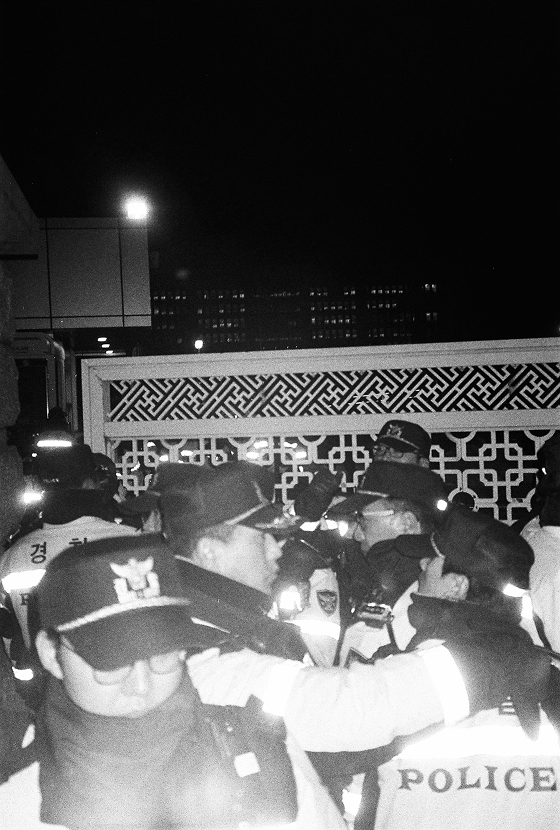
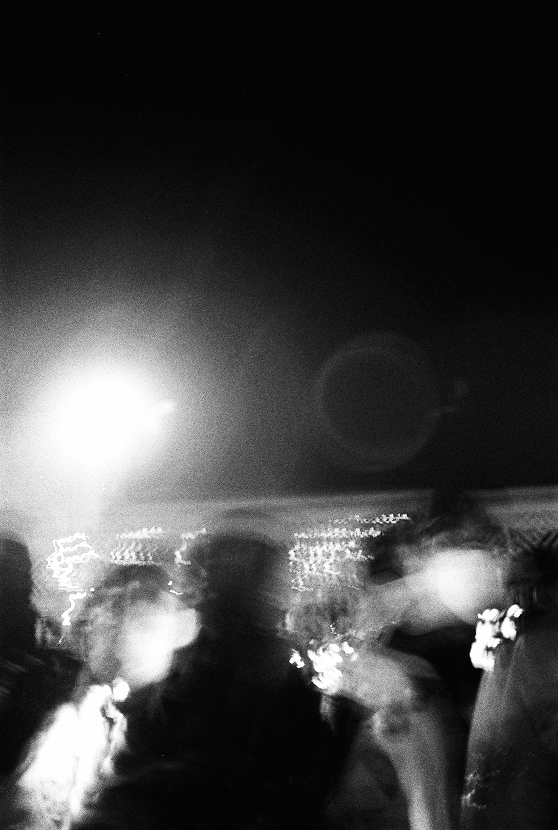
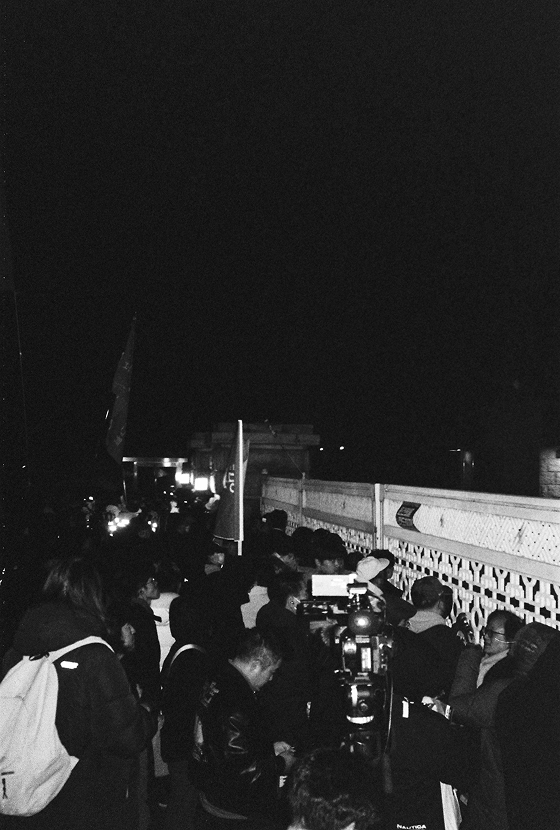
This idea has many beginnings, as so many do—we should always be wary of origin stories, as they often conceal the structures of power that shape them. Its most recent beginning can be traced back to a long winter in Korea, spanning the end of 2024 and the early months of 2025, when people across the country chose—again and again—to gather in the streets and squares each Saturday. This was set in motion by one of the most absurd and unjustifiable acts in recent history: the declaration of martial law by the then-incumbent president of South Korea on December 3, 2024. Within less than three hours, the order was overturned, as citizens and lawmakers alike flooded into the National Assembly, late in the night, to enact the law against it. Soldiers, too, quietly refused to carry out the president’s command. The rallies that followed continued week after week, stretching into early spring with crowds demanding the president’s impeachment protesting alongside those advocating for the necessity of martial law. Thankfully, though it took many months, the Constitutional Court ruled that there were no legal grounds for such a state of exception as the country’s leader had sought, and impeached the president. Shortly after, he was put on trial and imprisoned. A new government has been formed, ushering in what has been called an era of “people’s sovereignty,” or gukmin jukkwon (국민주권). The lessons of that long winter were hard-earned, and shared across generations. Democratic governance is never simply given; it is won through struggle, and must be continually sustained. Its precedents can be traced again and again through history. Each struggle emerges from tension, but what follows must be an enduring process; otherwise, it gives way to something like a war. Koreans learned this in 1950, when the so-called Korean war broke out and formally divided our nation—a division that remains unresolved to this day. My recognition of the need for a monument for this kind of struggle, and this kind of achievement that has no ending, stems from the confrontations of that long winter.
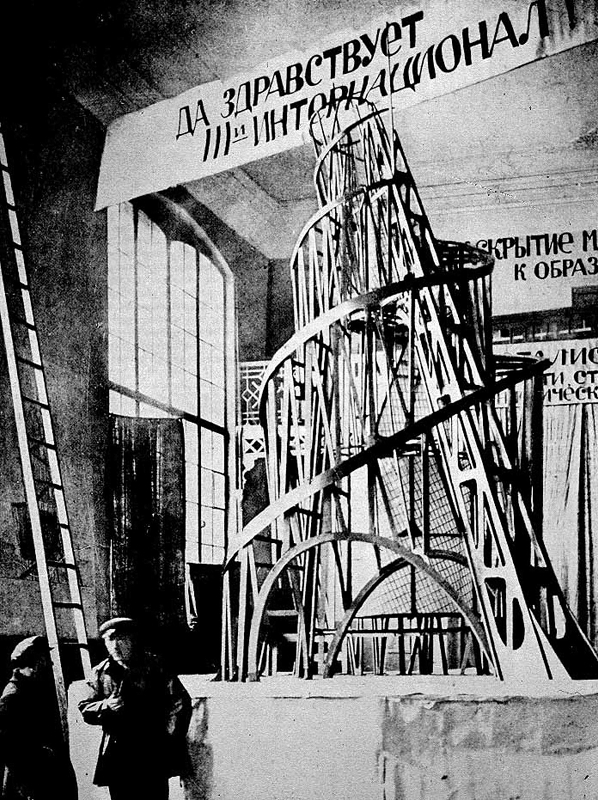
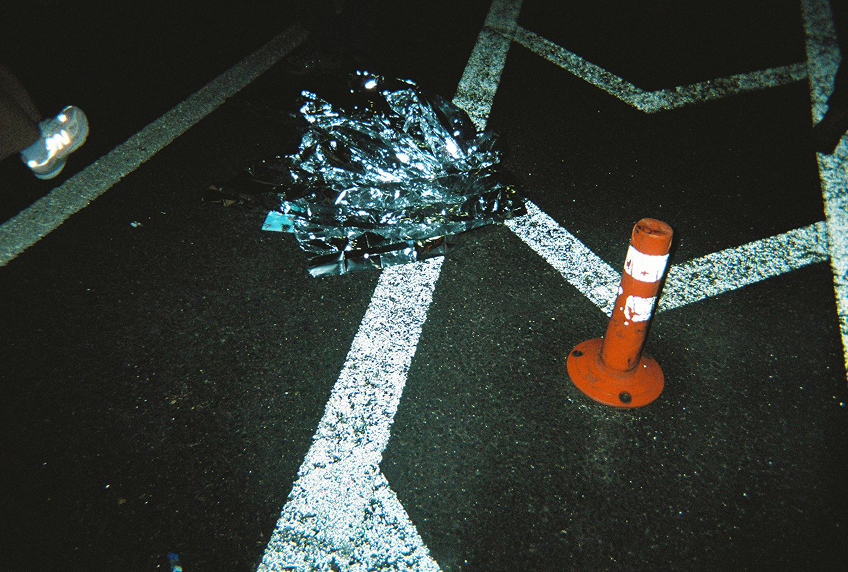
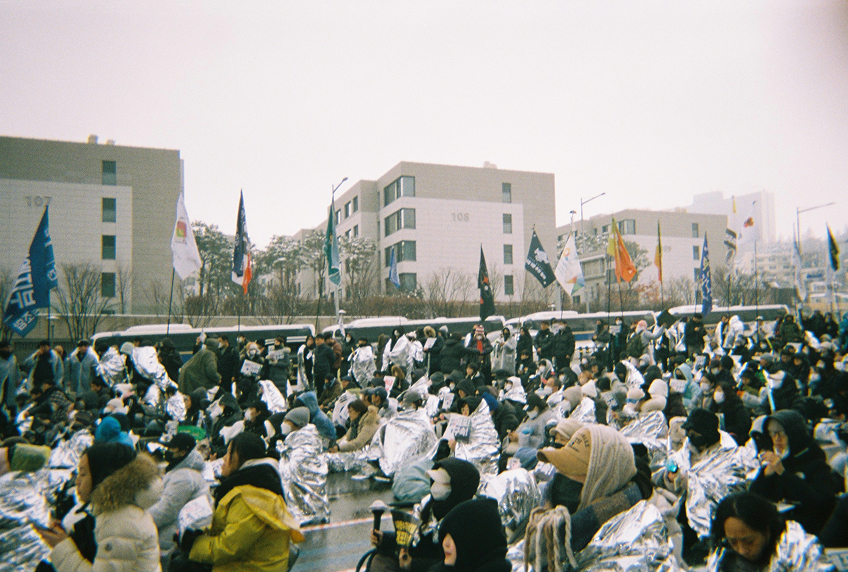
While the need for a monument is sufficient, what form it should take, and how it should function, remains to be determined. Naming it, too, is part of the task. My initial references range from Tatlin’s Tower or Monument for the Third International (1919-1920) to a certain kind of Buddha statue. Never built, Tatlin’s Tower is especially compelling for its imagined use: a monument not meant simply to be looked at, but to be entered and used. The first level would be used for a large-scale assembly, followed by an office on the level above, while further up would be an information center and radio tower; each floor, meanwhile, was built in a different shape and designed to rotate, in constant motion, following a different rhythm. The Buddha figure I have in mind is the Dungsinbul—a statue made from the body of a monk who consciously undertook the process of dying and offering his body to become the statue itself. A practice of impossible endurance and patience, from any general humanistic perspective. And yet, it resembles those who keep vigil in the streets. Nicknamed the “Kisses Protestors” (an affectionate nod to their resemblance to Hershey’s kisses), the image of those who kept watch through the night in front of President Yoon Suk Yeol's residence in Hannam-dong, Seoul touched many and went viral. Calling for his arrest, these people held their ground despite freezing temperatures and heavy snowfall, wrapping themselves in silver foil thermal blankets to endure the conditions.
LIBERATION SPACE / HAEBANG GONGGAN / 해방공간
The expression “Liberation Space,” or Haebang Gonggan (해방공간) in Korean, generally refers to the transitional period between 1945, when Korea was freed from Japanese colonial rule, and 1948, when the government of Korea—or more precisely, South Korea—was established. This was a time of exhilaration after nearly forty years of occupation, but also a time of intense yearning, dreaming, and struggling: for a more just and fair society, and for better lives for all. Wherever they were, whether factories, schools, or even police stations left behind by the colonial regime, people stepped forward as new political subjects, eager to participate in shaping change. At the same time, new foreign powers like the United States and the Soviet Union moved in to encircle the as-yet undefined nation, as if it were they, rather than the people of the land, who ought to determine its future. Within these conditions, it was essential that differences and tensions of position and ideology be negotiated among the people themselves in order for a true form of collective governance to be born. Core contradictions had to be held, and endured, in order to bear something new into this world without collapsing into binary opposition or scattering into fragments.
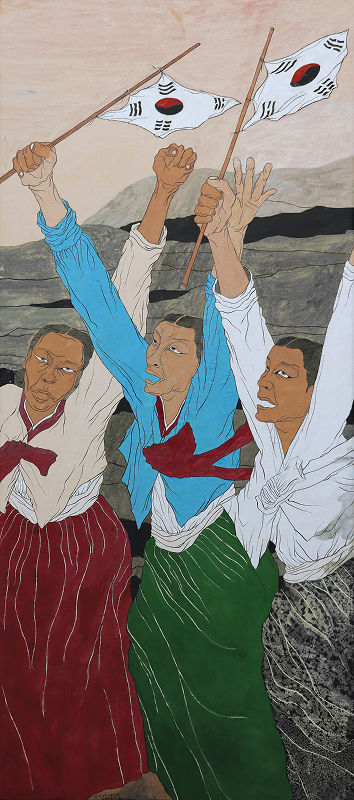
The actual outcome of this historical period, however, was division. A liberal democratic government in the southern half of the peninsula was established, backed by the U.S. military government. This halfformed government, replacing the colonial regime, changed its cause but reproduced its methods, purging its own citizens in the name of anti-communism. Two years later, under the looming cold war regime, war broke out between the liberal South and the communist North. The Korean War would separate the peninsula into two opposing regimes, a division that persists to this day. Thus, as Kornel Chang says, “Koreans are still haunted by an unfinished liberation.”[^1] As the granddaughter of a family that fled North Korea just before the war, and having grown up with the normalization of the total separation between North and South, this assertion feels excruciating. At the same time, I want to ask: should—or could—liberation ever have an ending?
I would go further, proposing that liberation not be understood as a singular event in the past, but as a durational practice marked by ruptures and struggles that recur and surge in different moments, each time blooming into and sustaining new movements. From this perspective, the inception of Haebang Gonggan does not begin in post-occupation Korea alone. It can be traced back, for instance, to Baeksan in 1894, where thousands of people outside the noble class gathered, recognizing themselves as new sovereign subjects through the theology of Donghak and organizing against a decaying, corrupt state and the encroachment of foreign powers. Likewise, other Haebang Gonggan can be found again and again after 1948—as in 1980, for example, when the citizens of Gwangju, resisting the military government’s ban on assembly, took control of their city, demanding a new democratic government. In other words, liberation may not have an ultimate destination in linear time. Instead, it is a space composed of many spaces, created through conscious, liberatory praxis against time. It is inherently creative, even artistic. Haebang Gonggan was there on December 3rd, 2024, and will be found again whenever such conditions—that is, the need to free ourselves from whatever oppressive occupation—emerge.
While this particular “Liberation Space,” or Haebang Gonggan, is articulated through the experience of (South) Korea, it is offered here as a referential structure that might resonate with other (occupied) nations. Furthermore, the notion of the nation should be reconfigured and understood not simply as an independent state, but as a form of community, a set of practices, or even the (inner) self, which is a world in itself. In this sense, the destination of liberation is not the formation of an independent state. Sovereignty lies neither in a king nor in the state, but in those who practice building and unbuilding a world within themselves, despite everything that would make this impossible. And such liberatory, sovereign practice might well be "maddeningly beautiful."2 An aesthetic practice par excellence.
FORTRESS/NEST (KOREAN PAVILION)
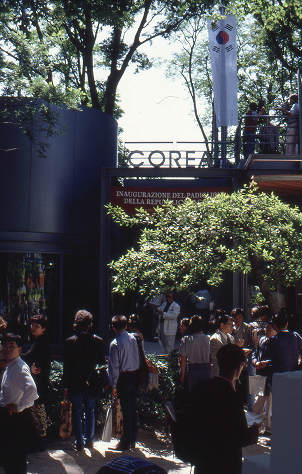
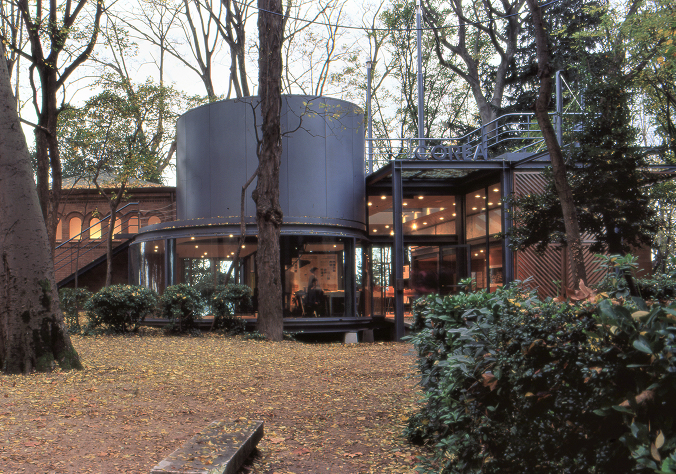
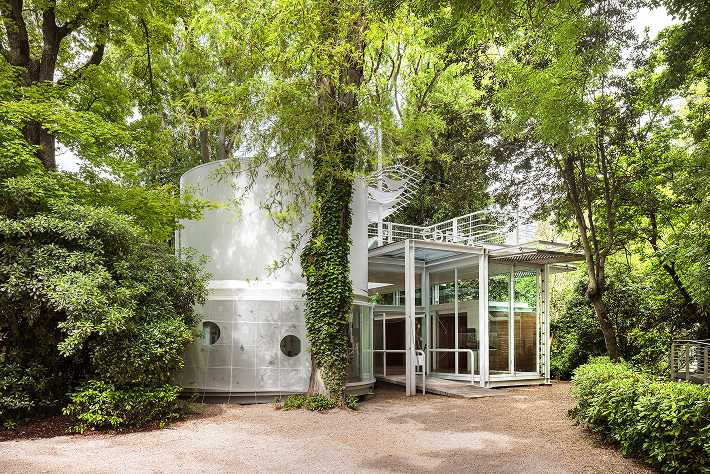
As “Liberation Space,” or Haebang Gonggan, is a durational practice, each moment bestows it with a different form. So it was in 1995, when the Korean Pavilion was built in the Giardini della Biennale, a site where former imperial powers maintain their own national pavilions, projecting their presence onto the world. Has South Korea, in establishing its pavilion, done well in joining the ranks of this assembly of nation-states, taking its place right alongside the United States, Britain, Germany, Spain, Hungary, the Netherlands, Japan, and others?
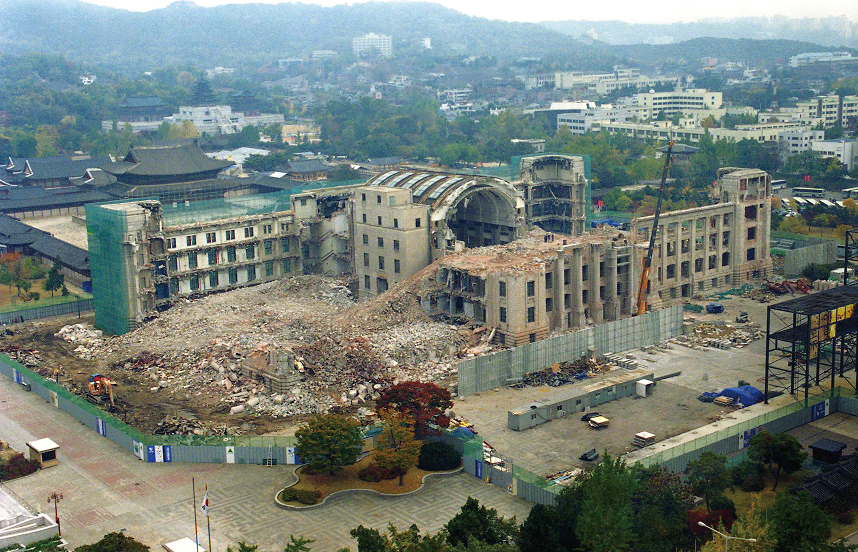
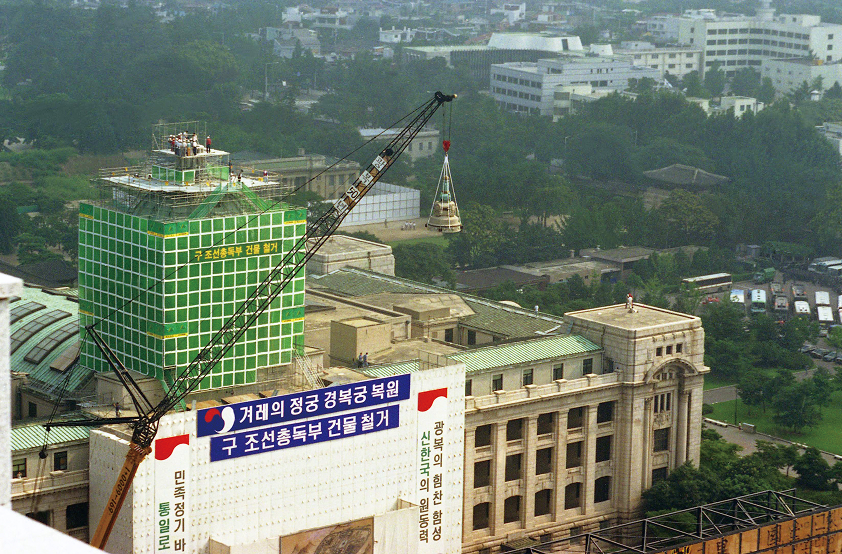
1995 marks a kind of turning point in the history of South Korean nation-building, when the process of our decolonization came into fuller expression. For the first time since its withdrawal from the Korean peninsula, the Japanese government issued an official acknowledgement of its colonization of Korea, accompanied by an apology. In that same year, the Korean government began the demolition of the former Japanese Government-General Building, which stood at the entrance to Gyeongbokgung Palace, in the very heart of Seoul. For over half a century, the building had imposed itself upon this historic landscape, cutting a new axis from the central Gwanghwamun square toward the mountain and inscribing a colonial center over the site of the old dynasty. As this giant edifice of the past was being vanished, 1995 also saw the inauguration of the Gwangju Biennale and the founding of the Korean National University of Arts. Indeed 1995 was even officially designated as the “Year of Art.” In this convergence, the “art of rebuilding” the nation after the colonial period could hardly be any more palpable; and the Korean Pavilion stands as one of its clearest embodiments.
What kind of nation, then, has South Korea become? And does the Korean Pavilion reflect it? Compared to the other twenty-five national pavilions of the Giardini—or, indeed, to other representative “national” buildings—its form is certainly unique. Measuring less than 300 square meters, the Korean Pavilion offers no definitive character at first glance. It is composed of multiple, intersecting shapes: cylinder, wave, rectangle, square. There is no singular façade, no straight, continuous wall. Instead, brick walls meet glass ceiling windows; a long, undulating wall is clad in wood; and above all a number of glass walls and doors, creating conditions far from ideal for conventional exhibition-making. These features are the inevitable result of specific constraints: the pavilion had to fit into the existing environment, leaving the surrounding trees intact and the view of the lagoon unobstructed.3 In this sense, the very shape of the Korean Pavilion can be read as the footprint of its struggle to fit in—an effort which, in turn, mirrors the geopolitical position of South Korea.
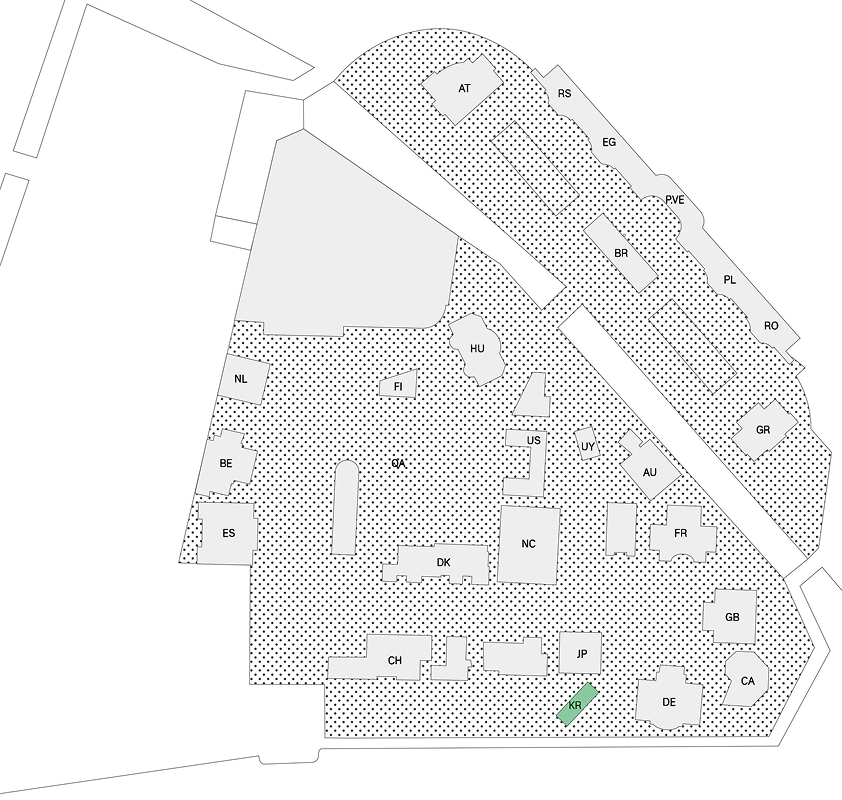
In fact, the Korean Pavilion is almost hidden; indeed, it can only be found after visiting either the Japan or German pavilions. It is also a narrow alley between the Japan and Russian pavilions that opens a path onto it. There is no direct approach, no single vantage point from which it can be fully faced. The Korean Pavilion is always encountered in between, and alongside others. Conversely, the Korean Pavilion is also positioned to look outward, toward these surrounding pavilions of former empires. It is also said that the pavilion was designed like a house, particularly in terms of its light structure, in order to appeal to the municipality of Venice and be granted entry into the Giardini. When there is no exhibition, the promise went, it might remain open, welcoming visitors like a dwelling. At the same time, of course, this also means that it could be demolished at any moment with relative ease.
Fortress/Nest names this ambiguous condition of the Korean Pavilion as a structure that I see as representing the nation called (South) Korea. At the same time, it is this very ambivalence that poses a question for any nation: what is it meant to do for its people? “Liberation Space,” or Haebang Gonggan, is likewise indeterminate in its nature. Yet it is precisely this openness that allows it to hold both conditions—fortress and nest—and, in doing so, to orient a direction forward.
BEARING AND MERIDIAN
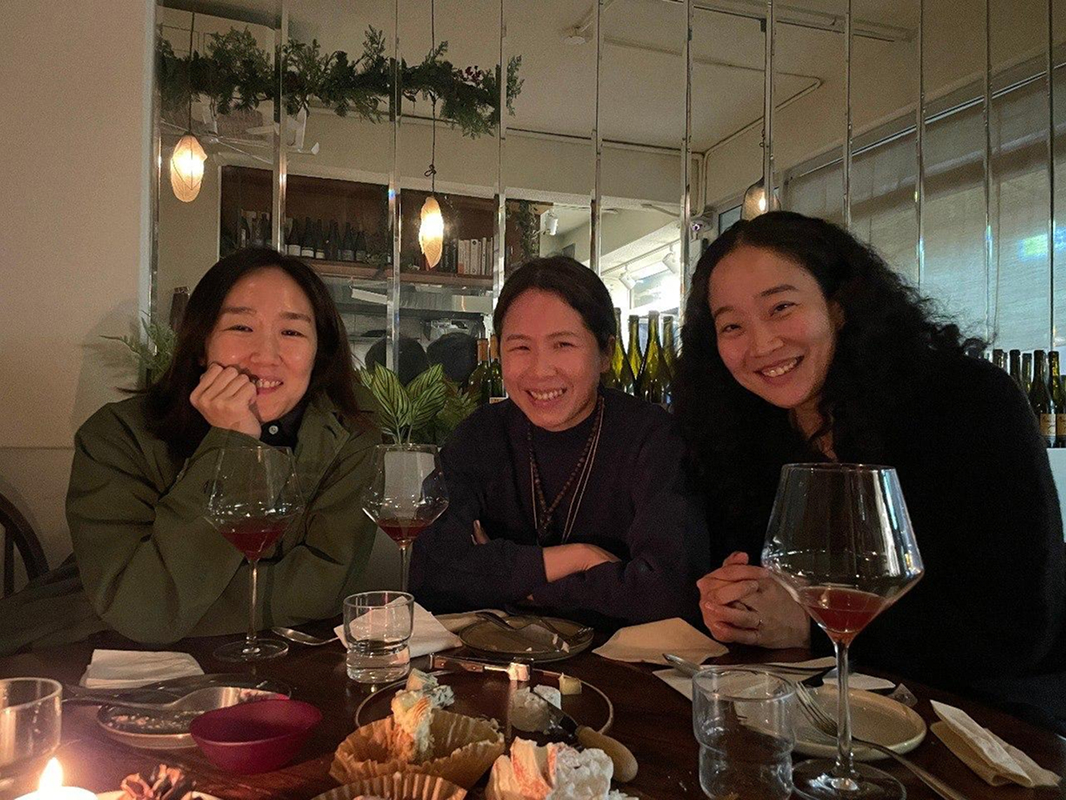
Goen Choi and Hyeree Ro are the two key collaborators in this endeavor to reshape and repurpose the Korean Pavilion as a monument to the idea of a “liberation space.” The curatorial direction laid the groundwork for the project and offered a certain degree of artistic direction. Inviting two artists whose languages are as divergent as they are resonant with one another was a conscious choice. Initially, I also asked Goen to engage with the exterior of the Pavilion, and Hyeree with the interior, anticipating that their works would eventually meet. This invitation, in turn, called for equally strong artistic direction from the artists themselves. The collaboration among the three of us required an ability to endure the tensions that arose from all this questioning, doubting, misunderstanding—as well as, at times, a simple anxiety about the sheer scale of the task at hand given the limited preparation time. In retrospect, our working process reflects the very artistic, aesthetic, and political direction we set out to pursue: a liberatory praxis. Three distinctive, sovereign subjects had to find a way to form a collective project.
Leaving ample spaces for each person’s own practice, what stands out in our shared approach is a refusal to impose a merely cosmetic transformation on the Pavilion, while still insisting on an intervention that is sensually and materially strong. Paradoxically, this meant allowing the Pavilion to appear more fully as itself, manifesting and laying bare its existing forms and meanings. From this process emerged two artistic approaches, realized as two intertwining works: Meridian by Goen Choi, and Bearing by Hyeree Ro.
Both Goen and Hyeree’s artistic practices are grounded in sculpture. They are equally truthful to the materiality of the objects they find, with a strong sense of spatial context, yet diverge—almost moving in opposite directions—in their choice of materials, and consequently in the ways they alter and relate to them.
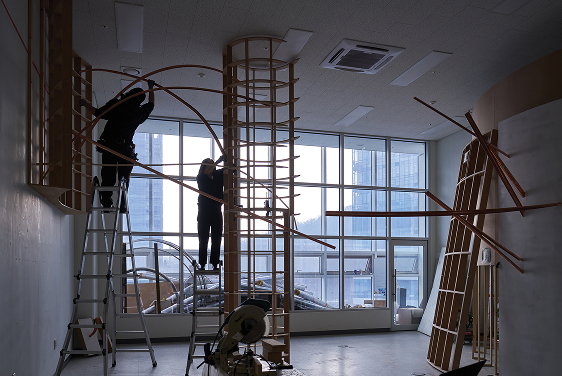
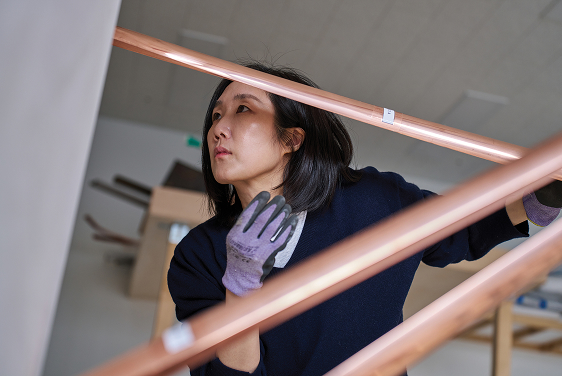
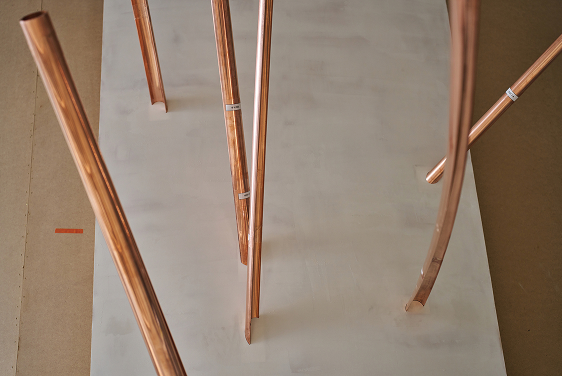
Goen Choi often works with metal objects that make up the domestic sphere, especially in terms of its invisible infrastructures, such as water pipes and air conditioners—with an interest in creating new forms of visibility. She cuts through them, bends them, and places or arranges them within a given context so that hierarchical divisions of inside/outside, old/new, surface/depth are unsettled and reawakened in a more holistic way. This mode of working might well be regarded as feminist. In addition, I once described it as acupuncture-like, a quality that finds its most palpable manifestation in Goen’s work for the Korean Pavilion.
The title Meridian refers both to the circular line passing through the North and South Poles, used to measure longitude, and to the pathways in the body along which energy is understood to flow. Goen approaches the Korean Pavilion—or Korea itself—like a body with blockages. One of the most notable such blockages, as she herself saw it, was in the cylindrical core of the building. Originally constructed as a two-story space with a spiral staircase allowing movement between levels, this indoor staircase was removed just a year after the Pavilion’s opening and the upper floor closed off; it has since been used for storage and staff facilities. Goen was determined to open this space up again. Working with copper pipes—copper being the material most widely used in global water infrastructure for its self-sanitizing properties, durability, and malleability—she deploys them as if they were acupuncture needles. Or, if not needles, they function as lines that guide our gaze, offering new ways to look and follow. Similarly, a circular pillar at the center of the cylinder space becomes a site of both penetration and passage, making visible the building’s core infrastructure and acting almost like an umbilical cord. As Goen herself has noted, it is also significant to recall that such infrastructure knows no borders, existing through endless connections. Borders are also forms of blockage. Meridian, as an act of transversing, seeks to cross the border between nations. The collaboration with the Japan Pavilion—the first of its kind in the history of the Korean and Japan Pavilions—offers an opportunity for direct, close engagement with the artificial borderline of plants between the two pavilions as if we can cross over or lift up that border. Goen also asks us to imagine further by performatively adapting her earlier series Trophy as part of Meridian. Two pieces of cut-through and further curved copper pipes are made to stand on their own, light yet steadfast enough to be moved beyond the territory of the Korean Pavilion and placed elsewhere. Which now leaves us with the question: will these “trophies” be welcomed by other national pavilions?
While Meridian consists of hard, sharp elements that nevertheless open, reveal, and set things into dynamic flow, Bearing by Hyeree Ro appears, at first glance, to enclose; it seems to remain more sedentary, a structure to hold or let you stay, composed of soft and vulnerable materials and objects.
One of the two main components of Bearing is a field of thousands of organza circles, forming a kind of membrane that follows the contours of the Pavilion’s main rectangular space. This membrane partially obscures the view for visitors as they enter, guiding their movement by creating a somewhat narrow pathway. Moving along this path, one encounters what Hyeree calls “stations”: the second major component of Bearing, consisting of eight distinct structures. Each is envisioned as a kind of small temple, a place to visit and linger in homage. Built with minimal means, be it thin wood, fabric, clay, or other modest materials, each station is oriented toward a specific action, and named in the form of a verb: outlooking, living, planning, waiting, mourning, remembering, mending, and sharing. The word “bear” itself carries multiple, interrelated meanings: to carry, to endure, to withstand, to relate, to guide, to give birth, or to produce. Through its membrane and stations, Bearing renders the Korean Pavilion as a set of support structures for practicing a “liberation space,” while Meridian establishes the conditions that make such practice possible.
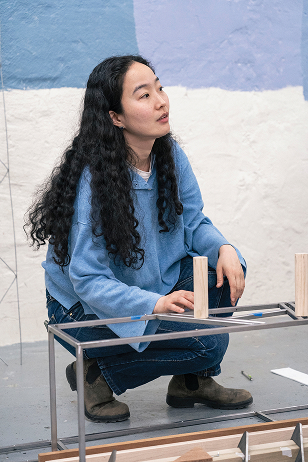
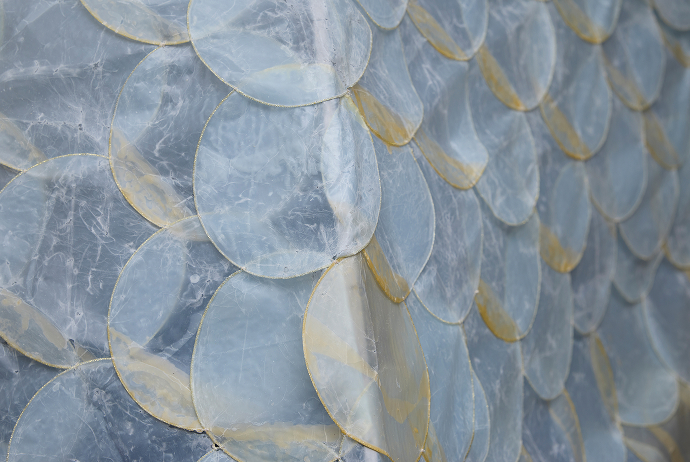
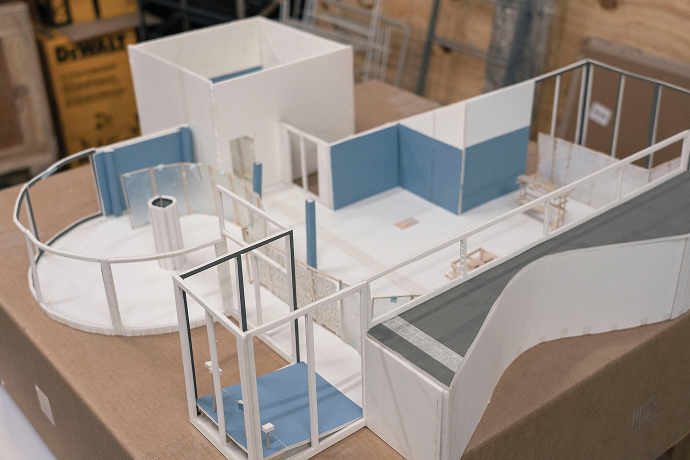
Hyeree’s work is also where the curatorial and artistic collaboration took place most intensively. Unlike Goen’s work, whose language is quite strictly tied to the materiality and physicality of form, Hyeree’s practice encompasses an aspect of performativity, where speech acts and the practice of (de)instituting come into play. Responding to my need to incorporate curatorial and institutional elements into the making of a living, breathing monument, Hyeree expanded—and further elaborated—her stations from an initial few to the final eight. The “Living” station came to accommodate some of the materials previously stored in the second floor storage space, while also providing a place for Pavilion staff to rest. The “Outlooking” station emerged from the need to make the geopolitical connotations of the Korean Pavilion more explicit. Stations such as “Mourning,” “Remembering,” and “Sharing” also accommodate—or nest—works by the (inaugural) Fellows who accepted my invitation, and whose practices unfold different stories of “Liberation Space.” Together, we also conceived of and invited, through an open call, those we have come to call “Bearers.” Seven in total, each Bearer takes up residence in Venice for one month, and twice daily moves through all eight stations, one after another, carrying out the activities each one prompts. This is the first time Hyeree has ever “delegated” the performance around her objects and structures to others, and she does so extensively.
Bearers and Fellows
All visitors are, in fact, potential Bearers and Fellows of the Korean Pavilion, activating and making use of this repurposed monument to the idea of “Liberation Space.” Those formally named and invited as Bearers and Fellows simply set the example.
Han Kang, Huju Kim, Lang Lee, Yezoi Hwang, and Christian Nyampeta are the Fellows invited thus far to inaugurate the fellowship. Each engages with a particular historical moment of “Liberation Space,” even as their practices and voices operate more broadly across different cultural, social, and political terrains.
Novelist Han Kang presents a sculptural work titled The Funeral (2018): a snow-covered landscape in which an array of charred wooden sticks stand. This work recalls the opening scene of her novel We Do Not Part, an allegorical narrative of the Jeju April 3 massacre, carried out in 1948 through anti-communist operations led by the U.S. military and the newly established Korean government.
Huju Kim, who manages her family’s pear orchard, emerged as an outspoken voice on social media and in the gwangjang during the impeachment rallies of the winter of 2024–25. Through her writings and public appearances, she has articulated and theorized the experience of Namtaeryeong as a “Liberation Space” that bore witness to an unprecedented solidarity and forms of care among farmers, queer communities, and other marginalized groups. One of the jars made by Hyeree, marking the “Sharing Station” of Bearing, contains indigenous Korean seeds collected and cared for by the National Association of Women Farmers, with which Huju herself is affiliated. Protecting such seeds—as with all things native and diverse—is a way to protect the future.
Another jar, meanwhile, plays a song composed and performed for Liberation Space: Fortress/Nest by Lang Lee, a singer-songwriter, in collaboration with a group of non-professional singers in a cappella. Titled Our ㅁ (mieum, a Korean consonant), the song addresses those of “Liberation Spaces” of the present and the past, calling them in as sovereign subjects capable of shaping history. Lang Lee has been earnest and vocal, through her songs and performances, about the lives we must bear, marked by poverty, precarity, violence, conflict, and inevitable death; as well as the lives we desire to live. In place of the framework of a nation, each of her songs calls for a community of “bearers” and the vulnerable to emerge and care for one another.
Yezoi Hwang, an artist working primarily with photography and writing, documented the impeachment rallies held every Saturday from December 3, 2024, when martial law was declared and people flooded into the National Assembly, through April 4, 2025, when the former president’s impeachment was upheld by the Constitutional Court. Within this body of documentation are also images taken on by others at Yezoi’s request, using disposable cameras she gifted to them. Her accompanying writing reflects on a series of nationwide struggles and catastrophes she has encountered, both directly and indirectly: the 5.18 Gwangju Democratic Uprising, the Sewol Ferry disaster, the Seoul Halloween Crowd Crush in Itaewon, and so on. “How can I ever possibly love this country?” is a phrase that appears midway through Yezoi’s Journals and Photos (24.12.03–25.04.04). And yet, despite the pain and the recurring exhaustion of struggle she describes, her documentation and writing affirm that history continues to evolve, ushering in new liberatory subjects.
The fellowship is not restricted to Koreans. Rwanda-born, New York–based artist Christian Nyampeta presents Scenes from the Revolution, a series of seventy-two linocut prints developed in response to images originally produced by the Gwangju People’s Art School, which emerged in the wake of the 5.18 Gwangju Democratic Uprising. Resonating with Nyampeta’s ongoing research on “how to live together” in conflict-ridden postcolonial contexts, the prints stand as testimonies to traumatic experiences of state violence and violence among people, while also affirming people’s capacity to self-govern, heal, play, and live their lives.
These works and stories, shared by the Fellows, are meant to be encountered and read by visitors as they move through the stations of Bearing and circulate—in and out—through the Pavilion that Meridian opens up. Each story poses a question to the nation-state—does it function as a fortress or a nest?—and also draws out a space in which the possibility of a nation for and by the vulnerable can emerge.
The Bearers, each embodying a path shaped by the generational memories through which this nation we call Korea has moved, punctuate this process with ritualistic moments. At the early stages of conceiving Bearing, Hyeree shared the idea of tabdori—the ritual of circling a pagoda in Korean Buddhist temples—as a way of imagining how visitors might experience the Korean Pavilion as a monument to “Liberation Space.” The Bearers take the lead in this procession of tabdori.
NETWORK
La Biennale di Venezia lasts for seven months. While this is a relatively long duration for an exhibition, it is brief for a monument, especially one that emerges from the desire to freeze, and even render permanent, the fleeting nature of past events. A living monument, however, does not fix itself in time; it shifts its shape, making use of its context. My hope is that this monument continues to evolve across different forms and sites, eventually returning to Gwanghwamun, where, alongside the dismantling of the former Japanese Government-General Building, a democratic culture of gathering has continued to unfold. Indeed, in this sense, Gwanghwamun itself may already be considered a “Liberation Space.”
To this end, a homecoming exhibition in Seoul, along with a traveling exhibition to Los Angeles, will both extend the Fellowship and launch the creation of a translocal and transnational network of those many different subjects who in each place have been making and practicing different “Liberation Spaces” nationwide and across the globe. Connecting, knitting and entwining one with another, the monument shall do the work to enliven the practice of “Liberation Space” as a tool for the movement.
Returning to the idea of things having many beginnings, and to this project, Liberation Space: Fortress/Nest—I cannot bypass Hawaii. Not Hawaii as it is widely known as a tourist destination, but Hawaii as a sovereign kingdom, and as a place shaped by communities of both Native and non-Native people who, despite the illegal occupation of the archipelago by the United States for over a century, have continued to sustain its culture, language, and spirit through their “love of land” (Aloha ʻĀina). Working on the Hawaiʻi Triennial 2025, I was struck by this notion of aloha ʻāina. Beyond a simple translation, both words, separately and together, hold complex, deeper meanings and practices. It can even be translated as “love of nation,” and might seem to gesture toward forms of nationalism or patriotism across a broad spectrum. Yet, rather than invoking fear in those wary of a “fortress” Europe or rising extremism across the world, it illuminates what lies deep at the core of and matters most in all struggles for independence, self-determination, and, indeed, liberation and sovereignty. Native Hawaiian artist, activist, and scholar Jamaica Heolimelekalani Osorio articulated this with striking clarity in her 2024 lecture and text E Mau ke Ea: Sovereignty, Sanctuary, and Collective Liberation. These questions continue to resonate vividly for me:
And so I ask, what good is sovereignty without refuge? Without care? Without genuine security? What good is sovereignty if we cannot – or will not – stop a genocide on the other end of the world, or one, in our own West Papua. What good is sovereignty if it is not fully leveraged towards the liberation of all peoples living under the tyranny of the UN security Council and the League of Imperial Nations?4
Despite living in an “occupied” nation, Osorio asserts that liberation and sovereignty lie not in the institutional sphere but in a collection of practices. In this way, it also affirms the existing sentiment that Hawaiʻi never lost its sovereignty, and that Hawai’i shows us what liberatory practices feel and look like. Thus, it is not surprising that Hawaiʻi has long expressed and worked in solidarity with another “occupied” nation such as Palestine—a point with which Osorio’s text begins.
In affirming a national framework—rather than critiquing or negating it—I hope that Liberation Space: Fortress/Nest offers a way of understanding nationhood differently, while remaining attentive in this so-called “post-global” era (as my friend You Mi emphasizes). I am by no means an advocate of nation-states. Or rather, to be clear: the regime of nation-states that seems to constitute the world is relatively recent, yet behaves as though it were an older formation, emerging from the colonial era of empires. At the same time, ambiguous terms such as “nation” or “nationhood,” distinct from the institutional apparatus of the state, may instead refer to communities of practice and culture, and to the lands that sustain them. These are not to be denied, but rather acknowledged as one of the many scales at which communities exist and form modes of self-governance in everyday life. Thus, the voice of a protester from Korea’s recent long winter—“I’ll just have to repair and use this country”5—continues to resonate, on and on. In this sense, it is the nation—not the state—that matters.
Avery Gordon—another friend, a friend of many friends, and a beginning for this project as well—shared with me the idea of “utopian margins”: those who dreamed of another nation, or another world. These are stories easily forgotten, if not outright denied. One such story is that of those who refused orders from the newly formed government of South Korea to kill their own countrymen in Yeosu and Suncheon, during the period historically known as “Liberation Space,” or Haebang Gonggan. They were brutally suppressed by the then newly established state; and what is remembered today, within the politics of memory, is most often the brutality of the state and the condition of victimhood. Avery, however, also asks us to see and listen to the stories of “Liberation Space” itself, to attend to what those who refused authority dreamed of and enacted, in their care for one another and in the ways they moved, lived, and worked together.
In this regard, I would also like to emphasize those around whom my everyday life unfolds, whether they are called family, friends, colleagues, or neighbors. Directly or indirectly, they are equally significant contributors to this project (see the credits section!). Without the love of family, old and new friendships, and neighborly kindness, this project would not have been possible—including our historical collaboration with the Japan Pavilion. Ei Arakawa and Mizuki Takahashi are friends I have known since the early 2010s; we have sometimes worked together, and at other times simply spent time together. It is this practice of relationality that has carried us this far.
The symbolic image of our project, designed by Yejin Cho and Soekyung Kim, stems from the sabaltongmun, a circular form of notation used in guestbooks during the late nineteenth-century revolutionary struggle known as the Donghak Peasant Revolution. Its form acknowledges all participants equally, without hierarchical order, thereby also protecting the group from targeted attacks on its leadership. Here, this sabaltongmun motif evolves into a beam of light: a beacon of hope shining in the darkness, made possible by these ever-extending and connecting relationships in movement—that is, Haebang Gonggan, or “Liberation Space.”
- 1 Kornel Chang, A Fractured Libration: Korea under US Occupation (Harvard University Press, 2025), 10. might well be “maddeningly beautiful.” An aesthetic practice par excellence.
- 2 “Only four years after liberation… the intensity, upheaval, fervor, tension, and anxiety of the liberation space had already vanished from the face of Seoul, Republic of Korea…. And yet, because there were still those, in some afflicted corner of the city, striving to build a new nation, Oh Jang-hwan wrote that it was “beautiful to the point of madness.” […] This is also why we must once again speak of the strength of Seoul in that liberation space—not its stench as a city, but the radiant and beautiful time of liberation itself.” —Lee Im-ha, Liberation Space: The History of Women Who Transformed Everyday Life (Cheolsu and Younghee, 2015), 17–18.
- 3 Extensive research on this subject was conducted by the Curating Architecture Collective (CAC), curators of the Korean Pavilion at the 2025 Venice Biennale of Architecture. See the exhibition catalogue Little Toad, Little Toad: Unbuilding Pavilion.
- 4 Jamaica Heolimelekalani Osorio, “E Mau Ke Ea: Sovereignty, Sanctuary, and Collective Liberation,” Native American and Indigenous Studies 12, no. 1 (Spring 2025): 124–138.
- 5 Voices from free speeches that have come to define recent protest culture in Korea have been recorded, transcribed, and freely distributed online by Jiwan Lee (이지완) under the title Malbit (말빛, meaning “Words of Light”). A pdf of the full text is available at: https://drive.google.com/file/d/1UNzIKZAn6kuQS6m84NgnOkutYoNl6viq/view